
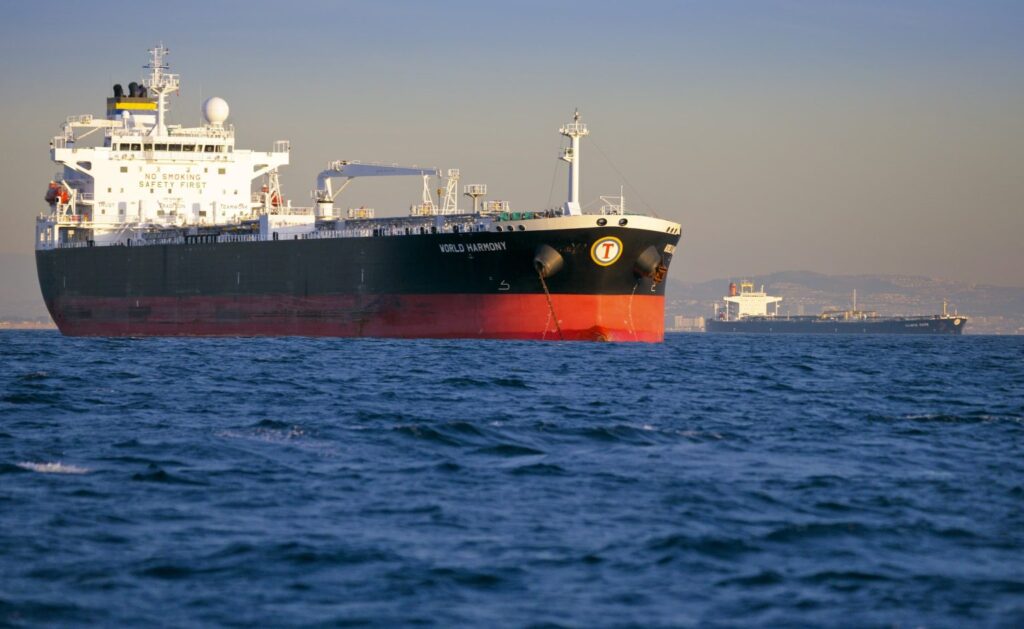

Dirty ships vessels that pollute our oceans with oil plastics sewage and invasive species are an urgent environmental concern. As the global shipping industry continues to grow, the consequences of these dirty ships are becoming ever more apparent. Despite various regulations aimed at mitigating maritime pollution, many ships still contribute significantly to the degradation of marine ecosystems. In this post, we’ll explore what dirty ships are, how they impact the environment, the regulations in place to combat this problem, and the emerging technologies working to reduce their pollution.
What Are Dirty Ships? Defining the Problem
Characteristics of Dirty Ships
Dirty ships are vessels that fail to comply with environmental standards, thereby contributing to ocean pollution in several harmful ways. These ships release a variety of pollutants into the water, often resulting in irreversible damage to marine ecosystems.
Oil Pollution
Ships that discharge oil directly into the ocean can significantly harm marine life. This typically occurs during routine maintenance, accidents, or improper disposal of waste. Oil spills can coat marine animals, making it difficult for them to move or breathe, while also polluting habitats like beaches and coral reefs. According to the International Maritime Organization (IMO), oil spills from ships account for nearly 10% of global oil pollution in marine environments.
Sewage Disposal
Sewage from ships is another major source of water pollution. While larger vessels are required to treat sewage before discharging it, many smaller ships lack the necessary treatment systems. Untreated sewage contains high levels of nutrients that can promote harmful algal blooms, leading to hypoxia (low oxygen) in the water and the destruction of marine habitats.
Ballast Water
Ballast water is used by ships to maintain stability during voyages. However, when ballast water is taken on in one port and discharged in another, it can introduce invasive species to new environments. These species can outcompete local wildlife, disrupt food chains, and cause ecological imbalances. The introduction of non-native species can result in long-term environmental damage.
Garbage and Plastics
Ships are often responsible for dumping large amounts of plastic and other waste into the ocean. According to the United Nations, around 8 million tons of plastic enter the oceans each year, and much of this comes from shipping activities. Plastic waste harms marine animals, as they can mistake it for food, resulting in ingestion that leads to injury, starvation, or death.
Why Do Ships Become Dirty?
Despite regulations designed to protect marine environments, many ships still contribute to pollution due to several factors:
- Lack of compliance: Some shipowners prioritize cost-cutting over environmental responsibility, opting to avoid costly waste treatment and pollution control measures.
- Aging fleet: Many older ships are equipped with outdated pollution control technology or none at all. These vessels are more likely to discharge harmful pollutants without proper treatment.
- Unregulated areas: In certain parts of the world, maritime regulations are either weak or poorly enforced, allowing ships to pollute freely.
- Inadequate waste management: On some ships, there are insufficient systems to handle waste, leading to improper disposal directly into the ocean.
The Environmental Impact of Dirty Ships
The pollution caused by dirty ships has far-reaching consequences for the marine environment. From oil spills to plastic waste, the damage inflicted by ships that fail to meet environmental standards is significant, and often, irreversible.
The Damage to Marine Ecosystems
Oil spills from ships are one of the most visible and harmful forms of pollution. These spills can coat marine animals such as fish, dolphins, and birds, rendering them vulnerable to hypothermia, poisoning, and suffocation. Coral reefs, which are vital to marine biodiversity, are also severely impacted by oil contamination. The oil smothers the corals, blocking sunlight and preventing photosynthesis, which is essential for their survival.
Sewage from dirty ships exacerbates the problem of nutrient pollution. When untreated sewage is released into the ocean, it introduces nitrogen and phosphorus, which fuel the growth of harmful algal blooms. These blooms deplete oxygen in the water, leading to “dead zones” where marine life cannot survive. Such pollution is a growing concern in many coastal areas where shipping activities are dense.
The introduction of invasive species through ballast water is another significant environmental issue. Once non-native species are introduced into a new environment, they can disrupt local ecosystems. For example, the zebra mussel a freshwater species was introduced to North America via ballast water, causing severe disruptions to the Great Lakes ecosystem and damaging water infrastructure.
Plastics are perhaps the most insidious form of marine pollution, and ships contribute heavily to this issue. Plastic debris can take hundreds of years to break down, and while it floats on the surface, it can entangle marine animals or be ingested, causing blockages, malnutrition, and death. The prevalence of microplastics in the oceans, which result from larger plastic items breaking down, is another alarming consequence of ocean pollution.
The Global Consequences
The impact of dirty ships extends beyond marine ecosystems. These vessels contribute to the depletion of fish stocks, which threatens the livelihoods of communities that depend on fishing. Coastal tourism is also harmed by polluted beaches and waters, affecting local economies. Moreover, the greenhouse gas emissions from ships contribute significantly to global climate change, making the problem of dirty ships not only an environmental issue but also a climate one.
Biodiversity loss is another serious consequence of dirty ships. The combination of chemical pollution, invasive species, and habitat destruction is pushing many marine species toward extinction. Some species, like sea turtles and certain fish populations, are particularly vulnerable due to their dependence on clean and stable environments.
The Legal Framework and International Regulations Against Dirty Ships
Several international conventions and regulations are designed to curb the pollution caused by dirty ships. These rules aim to prevent ships from discharging harmful substances into the ocean and to ensure that vessels operate in a manner that minimizes their environmental footprint.
MARPOL: The International Convention for the Prevention of Pollution from Ships
The MARPOL Convention, or the International Convention for the Prevention of Pollution from Ships, is the primary international agreement governing marine pollution from ships. MARPOL sets out regulations to prevent the discharge of oil, chemicals, sewage, garbage, and ballast water. The convention’s Annexes cover specific pollutants:
- Annex I: Oil Pollution – Regulates the discharge of oil and oily waste from ships.
- Annex II: Noxious Liquid Substances – Governs the discharge of liquid chemicals.
- Annex IV: Sewage – Sets standards for the discharge of sewage from ships.
- Annex V: Garbage – Regulates the disposal of garbage, including plastics, from ships.
- Annex VI: Air Pollution – Sets limits on the emission of air pollutants from ships, including sulfur oxides (SOx) and nitrogen oxides (NOx).
Ships that violate MARPOL can face penalties such as fines, detainment, and even the banning of entry into certain ports. This helps incentivize compliance with the convention’s stringent regulations.
Other International Regulations
In addition to MARPOL, several other conventions help curb the pollution caused by dirty ships:
- Ballast Water Management Convention (BWMC): The BWMC regulates ballast water discharges to prevent the spread of invasive species. Ships are required to install ballast water treatment systems that disinfect ballast water before it is discharged into the ocean.
- European Union Regulations: The European Union has implemented strict regulations to reduce marine pollution from ships. The EU Ship Recycling Regulation ensures that ships operating in EU waters are dismantled responsibly at approved recycling yards.
- National Regulations: In some regions, countries have implemented additional regulations to control ship pollution. For instance, the United States has the Oil Pollution Act (OPA), which mandates that ships must have contingency plans for oil spill response.
Case Studies of Dirty Ships and Their Environmental Consequences
To better understand the devastating impact of dirty ships on our oceans, it’s important to look at real-world examples. Case studies of significant maritime disasters highlight the consequences of poor practices in the shipping industry, as well as the urgency of addressing this growing issue.
The Deepwater Horizon Spill (2010)
One of the most infamous environmental disasters in maritime history was the Deepwater Horizon oil spill, which occurred on April 20, 2010, in the Gulf of Mexico. While not a direct result of a ship discharging pollutants, the spill was caused by a drilling rig operated by BP. However, it serves as a stark reminder of the dangers posed by maritime industries and the oil sector, with disastrous consequences for marine life.
The Deepwater Horizon spill released over 4 million barrels of oil into the ocean, severely impacting marine ecosystems and wildlife. Dirty ships contributed to the aftermath of the spill, as vessels were used to attempt to contain and clean the oil, but the environmental damage persisted for years. The spill killed thousands of marine animals and caused widespread damage to the fishing industry, showing just how vulnerable marine ecosystems are to pollution.
Key Impact of the Deepwater Horizon Spill:
- Over 8,000 marine species affected.
- Massive loss of biodiversity in the Gulf of Mexico.
- Long-lasting damage to coral reefs and other habitats.
This tragedy illustrates how maritime pollution from ships and rigs can lead to significant and lasting ecological damage.
For more detailed information on this disaster, you can read this overview from NOAA.
The MV Prestige Oil Spill (2002)
The MV Prestige was a Greek-owned, Panamanian-registered oil tanker that sank off the coast of Spain in November 2002. The ship was carrying over 13,000 tons of oil when it began leaking fuel due to damage caused by bad weather. Despite efforts to save the vessel, the Prestige sank, releasing a massive oil spill into the Atlantic Ocean. This spill devastated marine life along the coast of Spain, France, and Portugal.
The MV Prestige oil spill highlighted the risks posed by dirty ships that do not meet modern environmental standards. The tragedy prompted a significant reevaluation of shipping practices, particularly in regard to the safety of single-hull oil tankers. As a result, the European Union banned single-hull tankers in 2015, a significant step toward reducing the risk of similar disasters.
Key Impact of the MV Prestige Spill:
- Over 150 miles of coastline affected.
- Marine life, including fish and seabirds, suffered from the oil exposure.
- Loss of income for local fishing industries due to contamination of fishing grounds.
Ballast Water and Invasive Species: A Real-World Example
Another common problem related to dirty ships is the introduction of invasive species through ballast water. A notable example of this is the zebra mussel (Dreissena polymorpha), a freshwater species native to the Caspian Sea. In the 1980s, the zebra mussel was introduced to the Great Lakes in North America via ballast water from ships traveling across the Atlantic.
The zebra mussel rapidly spread throughout the Great Lakes, leading to severe ecological consequences. It outcompeted native species for food and habitat, damaged water infrastructure, and altered the aquatic ecosystem. The introduction of such invasive species is one of the most concerning environmental impacts of dirty ships, as it disrupts the balance of native ecosystems, leading to long-term ecological damage.
Key Impact of Zebra Mussels in the Great Lakes:
- Destruction of native fish populations.
- Clogging of water intake pipes, leading to costly damage to water treatment facilities.
- Alteration of local aquatic food chains and habitats.
This case underscores the importance of effective ballast water management in reducing the spread of invasive species. The International Maritime Organization (IMO) now mandates that ships treat ballast water before discharging it, but many vessels still fail to comply, leading to ongoing threats.
Technological Solutions to Combat Dirty Ships
As the environmental impact of dirty ships becomes more pronounced, various technological solutions are emerging to mitigate this issue. These innovations are aimed at reducing the pollution that ships discharge into our oceans, helping the shipping industry transition to more sustainable practices.
Ballast Water Treatment Systems
One of the most significant steps toward controlling the spread of invasive species is the implementation of ballast water treatment systems. These systems use a variety of technologies to disinfect ballast water, preventing harmful organisms from being introduced to new environments.
Technologies employed in ballast water treatment include:
- Ultraviolet (UV) Radiation: UV light is used to kill microorganisms in ballast water before it is discharged.
- Filtration Systems: Physical filtration removes larger organisms, while chemical treatments kill smaller organisms.
- Electrochlorination: This process generates chlorine to disinfect ballast water, ensuring it is safe to discharge.
By using these technologies, ships can comply with regulations such as the Ballast Water Management Convention (BWMC) and prevent the spread of invasive species that harm ecosystems.
Cleaner Fuels and Green Shipping Practices
Reducing the carbon footprint of ships is another critical aspect of making the shipping industry cleaner. One of the major contributors to air pollution from ships is the use of heavy fuel oil (HFO), which is high in sulfur and carbon emissions. As part of efforts to make the maritime industry more sustainable, many companies are transitioning to cleaner fuels such as liquefied natural gas (LNG) and biofuels. These fuels produce fewer emissions and contribute to the global goal of reducing greenhouse gases.
In addition to cleaner fuels, innovations such as hybrid power systems and battery-powered ships are emerging. These vessels rely on renewable energy sources to power onboard systems, reducing the dependency on fossil fuels.
Benefits of Cleaner Fuels:
- Lower emissions of sulfur oxides (SOx) and nitrogen oxides (NOx).
- Reduction in greenhouse gas emissions, contributing to climate change mitigation.
- Lessening the environmental impact of marine transportation.
Waste Management Innovations on Ships
Modern ships are adopting new waste management technologies to handle sewage, garbage, and hazardous waste. Many vessels now feature advanced wastewater treatment systems that ensure sewage is treated before being discharged into the ocean. These systems remove harmful bacteria, pathogens, and chemicals, making the water cleaner and safer for marine life.
In addition, closed-loop waste management systems allow ships to store waste until they can dispose of it in port, reducing the likelihood of waste being dumped into the sea. The rise of zero-waste shipping practices reflects a growing commitment to environmental stewardship within the industry.
Key Waste Management Innovations:
- Marine sanitation devices to treat sewage.
- Closed-loop garbage disposal systems.
- Waste-to-energy technologies that convert ship waste into usable energy.
These advancements are helping reduce the amount of waste that ships dump into the ocean, contributing to cleaner and more sustainable shipping practices.
The case studies above demonstrate the devastating consequences of dirty ships, while the technological innovations discussed highlight the ways in which the shipping industry is evolving to reduce its environmental impact. However, continued progress relies on stricter enforcement of regulations, increased industry cooperation, and the adoption of greener practices across the sector.
For more information on the impact of shipping on marine pollution and efforts to reduce oceanic pollution, visit the International Maritime Organization (IMO) website.
The Future of Clean Shipping: A Path Toward Sustainability
As the global shipping industry faces growing scrutiny for its environmental impact, the future of shipping must move towards sustainability. Innovations in technology, regulatory frameworks, and collaborative efforts are paving the way for a cleaner maritime future. The challenge is daunting, but solutions are emerging that can significantly reduce the environmental footprint of ships and help protect our oceans for future generations.
Decarbonizing the Shipping Industry
The shipping industry is responsible for a significant portion of global carbon emissions. According to the International Maritime Organization (IMO), shipping accounts for approximately 2-3% of global greenhouse gas emissions. In light of this, there is a concerted push to reduce the carbon intensity of maritime transport by at least 50% by 2050, in line with the goals of the Paris Agreement.
Decarbonizing the shipping industry involves reducing the reliance on traditional fossil fuels and embracing more sustainable alternatives. Several innovative technologies are being explored to achieve this goal:
- Wind-Assisted Propulsion: Wind power is being reintroduced as a form of energy for ships. Technologies such as rotor sails and kite sails are being tested to harness wind energy to assist propulsion, reducing fuel consumption and emissions.
- Solar-Powered Ships: Some companies are developing solar-powered vessels equipped with solar panels that generate electricity to power the ship’s systems and sometimes even propulsion. While solar energy alone may not yet be sufficient to power large cargo ships, it can significantly reduce a ship’s reliance on fossil fuels.
- Hydrogen and Ammonia: Hydrogen and ammonia are being researched as zero-emission fuels for ships. These fuels emit no carbon when burned, and could be crucial to the long-term goal of decarbonizing maritime transport.
- Battery-Powered Ships: Battery technology is advancing rapidly, and several companies are exploring the use of electric-powered ships, especially for short-distance routes, ferries, and port operations.
By integrating these technologies into the shipping industry, ships can dramatically reduce their carbon emissions and contribute to a greener maritime future.
Green Shipping Corridors and Sustainable Practices
In addition to technological innovations, green shipping corridors are emerging as an effective way to accelerate the transition to sustainable shipping practices. Green corridors are designated maritime routes where ships are encouraged to adopt environmentally friendly practices, such as using cleaner fuels, reducing emissions, and optimizing energy efficiency.
One such initiative is the Getting to Zero Coalition, a global initiative focused on accelerating the decarbonization of the maritime industry. The coalition aims to establish green corridors where zero-emission vessels can operate efficiently and effectively. The Northern Sea Route, a shipping route along the coast of Russia, is also being explored as a potential green corridor due to its potential for reducing fuel consumption by taking advantage of Arctic shipping lanes.
Key Benefits of Green Shipping Corridors:
- Lower emissions: Encourages ships to use cleaner fuels and adopt greener practices.
- Operational efficiency: Ships on green corridors can benefit from optimized routes and fuel consumption.
- Cost savings: Sustainable shipping can reduce long-term operating costs by minimizing fuel consumption and emissions penalties.
Green shipping corridors can help create an ecosystem where the shipping industry is incentivized to prioritize sustainability and reduce its environmental impact.
Digital Technologies in the Fight Against Dirty Ships
The adoption of digital technologies is transforming the shipping industry. By harnessing the power of data analytics, artificial intelligence (AI), and the Internet of Things (IoT), shipping companies can optimize their operations to become more efficient and reduce their environmental footprint. These digital solutions can play a crucial role in reducing the pollution caused by dirty ships.
Optimizing Ship Routes with AI and Data Analytics
AI-driven platforms can analyze real-time weather, sea conditions, and traffic data to optimize ship routes, reducing fuel consumption and emissions. By avoiding unnecessary detours and navigating through the most fuel-efficient paths, ships can reduce their carbon footprint while improving operational efficiency.
2. Predictive Maintenance for Cleaner Ships
One of the key challenges facing the shipping industry is the maintenance of vessels. Inefficient engines and outdated equipment can lead to higher emissions and fuel consumption. Predictive maintenance, powered by IoT sensors and data analytics, allows for the timely identification of equipment failures before they happen. This proactive approach helps reduce the risk of mechanical failures that might lead to pollution and also ensures that ships are operating at peak efficiency.
Emissions Monitoring and Compliance
Digital tools are also being used to monitor emissions from ships in real-time. These tools help shipping companies ensure that their vessels comply with international emissions regulations, such as the IMO’s Sulphur Cap regulations, which limit the sulfur content of fuel oil. By integrating emissions monitoring systems into their operations, ships can be more effectively monitored and penalized for exceeding emissions limits.
The Role of Consumers and Industry Stakeholders
Achieving a cleaner maritime future is not just the responsibility of shipowners and regulators it also requires the active participation of consumers and other industry stakeholders.
Consumers can play a role by demanding more sustainable shipping practices. For example, companies and individuals can choose to support shipping companies that prioritize sustainability, whether by using cleaner fuels, investing in green technologies, or committing to carbon-neutral operations. As consumer demand for eco-friendly products and services grows, businesses are increasingly adopting sustainable shipping solutions to meet this demand.
Industry stakeholders, including port authorities, environmental NGOs, and governments, also play an essential role in supporting the transition to cleaner shipping. Governments can incentivize shipowners to adopt green technologies by offering tax breaks, subsidies, or funding for research and development. Meanwhile, environmental NGOs can raise awareness about the issue of dirty ships and advocate for stronger enforcement of regulations.
Conclusion: Moving Towards a Cleaner Maritime Future
The transition from dirty ships to cleaner, more sustainable vessels is an essential step in safeguarding the health of our oceans and combatting climate change. As technology continues to advance and environmental regulations become more stringent, the shipping industry is evolving toward greener practices. However, the road to sustainability requires continued collaboration between the maritime industry, governments, environmental organizations, and consumers. By adopting cleaner fuels, embracing innovative technologies, and enforcing regulations, we can build a future where the shipping industry operates in harmony with the environment, ensuring that our oceans remain vibrant and healthy for generations to come.
Frequently Asked Questions (FAQ)
What is a dirty ship?
A dirty ship is a vessel that pollutes the ocean with various harmful substances, including oil, sewage, ballast water, and plastic waste. These ships often fail to comply with environmental regulations, leading to significant ecological damage.
How can dirty ships be prevented from polluting the oceans?
The pollution caused by dirty ships can be mitigated by adopting cleaner technologies, such as hybrid propulsion systems, cleaner fuels (like LNG and biofuels), and advanced waste management systems. Strict enforcement of regulations like MARPOL and the Ballast Water Management Convention is also crucial in curbing pollution.
What are the consequences for ships violating pollution laws?
Ships that violate pollution laws can face hefty fines, detainment, or a ban from certain ports. Compliance with international regulations, such as MARPOL, is enforced by national authorities and international maritime organizations.
Can dirty ships be cleaned up?
While cleaning up the pollution caused by dirty ships is challenging, technological innovations such as oil spill recovery technologies, waste management systems, and ballast water treatment solutions are helping to reduce the impact of dirty ships on the environment.
The future of clean shipping is bright, but it requires collective action. By embracing innovation, enforcing regulations, and supporting sustainable practices, we can protect our oceans and build a sustainable shipping industry that minimizes its impact on the planet.
How Consumers Can Drive the Demand for Cleaner Ships
While industry stakeholders play a crucial role in making the shipping industry more sustainable, consumers can also have a powerful influence. In fact, consumer demand for environmentally friendly products and services is one of the key driving forces behind the transition to cleaner shipping practices. As individuals and businesses become more environmentally conscious, their choices can create a ripple effect that encourages the shipping industry to adopt more sustainable practices.
The Growing Consumer Preference for Sustainability
Over the past decade, there has been a significant shift in consumer preferences towards sustainable products. According to a 2020 Nielsen report, 66% of global consumers are willing to pay more for products that come from companies committed to sustainability. This trend is not limited to the food and retail industries; consumers are also looking for sustainability in the logistics and shipping sector.
When consumers choose products that are delivered by sustainable shipping companies, they are indirectly influencing the industry to reduce its environmental footprint. Whether it’s opting for carbon-neutral delivery services or choosing companies that use cleaner fuels, consumer demand for greener options can drive significant change within the industry.
How Consumers Can Make a Difference
Here are some ways consumers can help push for cleaner ships and promote sustainability in the shipping industry:
Choosing Eco-Friendly Brands
Consumers can support businesses that prioritize sustainable shipping practices. Many retailers are now adopting carbon-neutral shipping options, where the carbon emissions from transporting goods are offset through investments in renewable energy, carbon credits, or tree planting initiatives. By supporting these companies, consumers encourage other businesses to follow suit.
Support Green Shipping Initiatives
There are several organizations and coalitions dedicated to greening the maritime industry. For example, the Getting to Zero Coalition is a global initiative focused on decarbonizing shipping by promoting the use of zero-emission vessels. By donating to, supporting, or choosing services aligned with such initiatives, consumers can make a meaningful contribution to creating a cleaner shipping industry.
Demand Transparency from Shipping Companies
As consumers become more eco-conscious, they are increasingly demanding transparency about the environmental impact of the companies they buy from. This includes asking questions about how their products are shipped. Shipping companies that fail to adopt sustainable practices may lose customers in favor of those that commit to cleaner operations.
Advocate for Stronger Regulations
While individuals have limited power over global shipping practices, they can still raise awareness about the impact of dirty ships and advocate for stronger regulations. Writing to local politicians, supporting environmental NGOs, and participating in petitions can pressure governments to enforce stricter regulations on shipping emissions and pollution.
The Power of Corporate Social Responsibility (CSR) in the Shipping Industry
As consumer expectations shift, companies in all industries are increasingly adopting corporate social responsibility (CSR) strategies that align with the growing demand for sustainability. In the shipping industry, CSR initiatives can take many forms, such as investing in cleaner technologies, ensuring that ships adhere to environmental regulations, or committing to zero emissions by a certain date.
When shipping companies actively work toward reducing their environmental impact, they not only improve their public image but also gain the loyalty of environmentally conscious customers. This shift toward CSR in the maritime sector is critical, as it will accelerate the adoption of sustainable practices and cleaner ships across the industry.
Conclusion: A Cleaner Future for Shipping
The transition to cleaner ships and more sustainable shipping practices is not just the responsibility of the shipping industry or governments it is a shared responsibility that requires the involvement of consumers, businesses, and regulators alike. As global awareness of environmental issues continues to rise, the demand for sustainable shipping will only increase, driving significant change within the maritime industry.
Consumers have the power to influence the shipping industry by making informed choices, supporting eco-friendly brands, and advocating for stronger environmental regulations. By aligning their purchasing decisions with sustainability values, consumers can contribute to the push for a cleaner, greener maritime future.
As we continue to explore and develop innovative technologies, greener fuels, and more sustainable practices, the potential for a cleaner shipping industry is vast. With collective effort, we can ensure that future generations inherit a world where our oceans are protected, and the shipping industry operates in harmony with the environment.
FAQs
Can consumers really impact the shipping industry?
Yes, consumers can have a significant impact on the shipping industry by demanding more sustainable shipping practices and supporting companies that prioritize eco-friendly initiatives. The collective choices of consumers can encourage shipping companies to invest in cleaner technologies and adopt greener policies.
What are some of the main issues with dirty ships?
Dirty ships are responsible for a wide range of environmental issues, including oil spills, emissions, invasive species introduction, and marine pollution. These ships contribute to ocean degradation, harming marine life and ecosystems, and exacerbating climate change.
What steps is the shipping industry taking to reduce pollution?
The shipping industry is embracing a range of technological innovations, such as the use of cleaner fuels (like LNG and biofuels), wind-assisted propulsion, and battery-powered ships. Many companies are also adopting emissions monitoring systems and engaging in predictive maintenance to optimize fuel consumption and reduce pollution.
What can consumers do to support cleaner ships?
Consumers can choose to buy from brands that prioritize sustainable shipping practices, advocate for stronger environmental regulations, and support organizations that promote cleaner maritime transport. Their demand for sustainability can drive significant change within the industry.